A Banff institution: the Grizzly House

Four decades worth of grease build-up coats every surface, your eyes sting from the smoke an hour after stepping through its iconic A-frame entrance, and you may receive a phone call from a stranger asking whether you’re wearing panties immediately after being seated — but don’t let those small details dissuade you from visiting the Grizzly House restaurant in Banff. At least once.

You can't walk down Banff Avenue without noticing this restaurant and wondering what it's like inside. Hint: there's a wood-carved bear, a disco ball and a "private room" in the back.

I’ve been visiting Banff for 15 years and had never eaten there until this past weekend. We’d given it a miss for several reasons. First of all it’s pricey — the complete fondue dinners cost over $40 per person, depending on what kind of meat you order. Also it’s fondue (yes, I’m a child of the 70s, but that doesn’t mean my palate is trapped in that decade). Plus you have to cook your own meat on hot stones (more on that later), which can be a lot of work.

Finally, the place really, really smells. This means your clothes will reek for days from the plumes of cooking-meat smoke that hover permanently in the air. Imagine if a stinky-cheese bomb exploded on an exotic wildlife farm and the ostriches, gators, snakes, sharks, wild boars and lobsters all went up in smoke at the same time. That’s what the Grizzly House smells like. Hence the burning eyes.

But let’s get past all that because I haven’t had this much fun at a restaurant dinner in years.

The Grizzly House owner is every bit as vintage as the decor inside his decades-old establishment. I think he still likes to party, too.

“It’s not fine dining — it’s fun dining,” said Gizzly House owner Peter Steiner, who was sitting outside of his restaurant smoking a pipe and clad in a fur cap. Steiner opened the Grizzly House in 1967 as a disco dance hall — the original disco ball is still hanging from the ceiling, though the bottom is dented from repetitive falls. Soon after the club began serving fondue and hasn’t changed its menu since. The restaurant still plays non-stop 70s music, though thankfully the disco ball remained motionless through the duration of our meal.

Another holdover from the era are the telephones at each table. “Back then a disco hall in Banff was a meat market,” said Steiner. “I thought phones would be a good way for introductions, and save guys from having to buy a girl a drink.” Now referred to as “swinger” or “hook-up” conduits, the phones add a level of hilarity to the meal, especially after several glasses of wine.

Equally as entertaining was our waiter Billy, who, with his chiseled face and blond hair swept back into a ponytail, looked like he’d stepped straight from the cover of a Harlequin romance novel. Billy had an uncanny knack for adding a layer of innuendo to his dinner announcements, making the meal instructions sound suggestive and kinda dirty. We were told to keep our hot rock moist at all times by buttering it in slow, rythmic circles, for example.
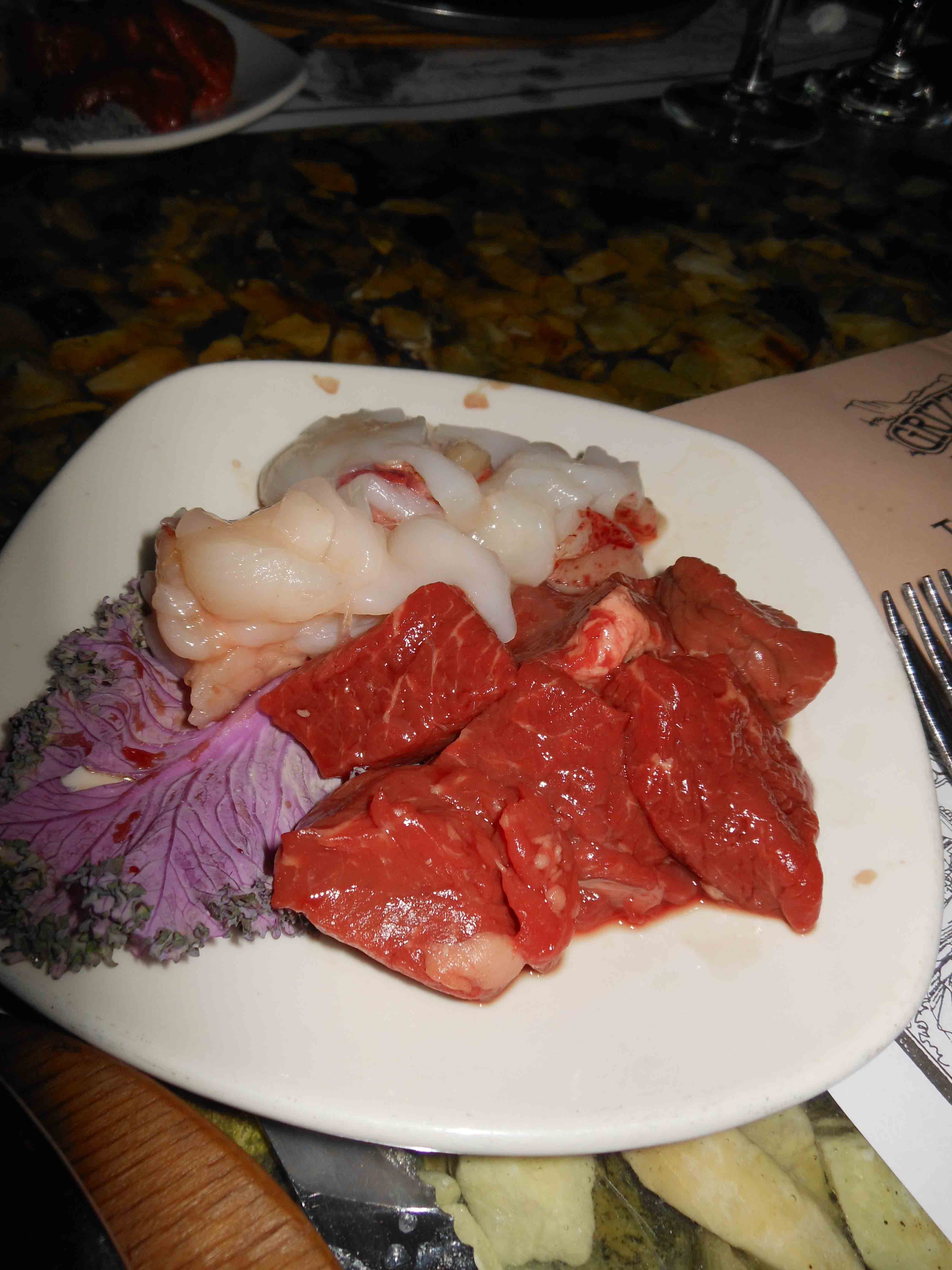
Lobster and steak doesn't cook itself. Raw meat at Banff's former No. 1 "meat market".

Harlequin Billy also confirmed the existence of a private dining room (a.k.a. “secret sex room”), complete with an oval mirror oddly placed at crotch level. Its purpose, back in the day? “Every once in a while you just want to confirm your ‘friendship’ before you get home” with your new date, explained Billy. Yes, the Grizzly House earns its tagline: “For Lovers & Hedonists.”

Fortunately, no one (to my knowledge) ended up in the Grizzly House back room that night, but I can’t confirm what happened at Aurora nightclub later. I had to drive back to Calgary with a belly full of cheese — squinting all the way, post-smoke — in a car that smelled like an exploded exotic wildlife farm.

Drink of the Week: Toreador

It’s official — we’re going to Mexico for spring break, baby! We booked a week at the all-inclusive Sunscape Dorado in Ixtapa! Woot! The fares came down a bit and we pounced. So to celebrate, a Toreador cocktail. Now, I had never heard of this drink until I was paging through Simon Difford’s Cocktails Made Easy (yet again) and noticed I had all three ingredients on hand: tequila, apricot brandy and lime juice.

It’s like a margarita — and is said to even pre-date Mexico’s iconic cocktail — but one with a sweeter, fruitier flavour thanks to the Bols apricot liqueur. Though I liked it, I will be ordering traditional margaritas while south of the U.S. border. Ole!

Its name is Spanish for "margarita with apricot brandy." Not really, but I thought that sounded about right.

Toreador

  • 2 oz tequila
  • 1 oz Bols apricot brandy liqueur
  • 1 oz freshly squeezed lime juice
  • Lime wedge garnish

Shake all ingredients with ice and strain into a rocks glass. Garnish with a lime wedge.

— Recipe courtesy Cocktails Made Easy

Polar Peak: new terrain at Fernie ski resort

The sign would scare away all but the most determined skiers:

Beginners dare not ski the peak, for fear of an early end to their schussing career (at the bottom of a cliff).

“EXPERTS ONLY!! Be honest. Are you really an expert! Fast & grippy surface. If you fall long slides over cliffs possible. PLAY SAFE”

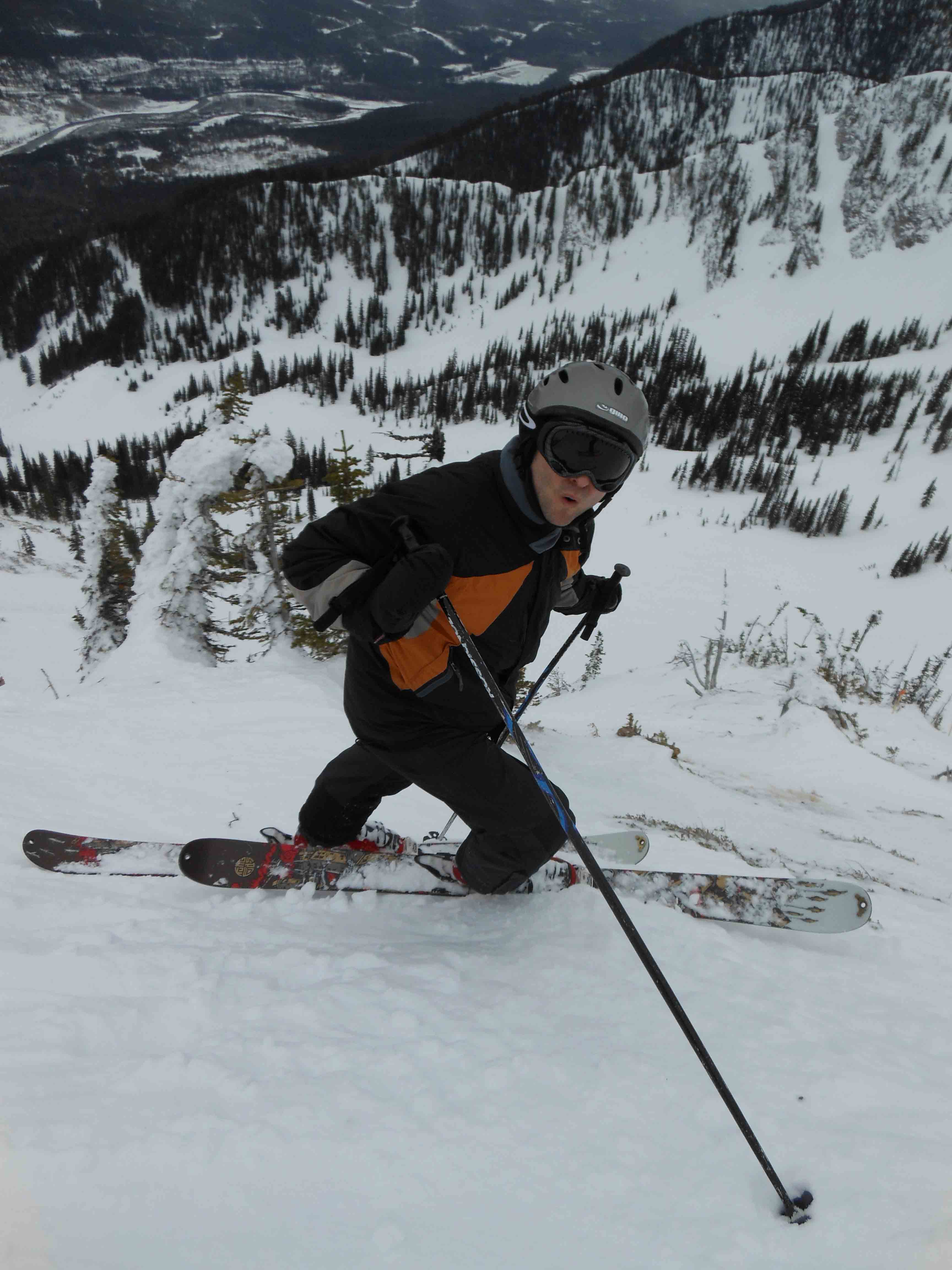
I read it, then followed my husband over the drop, through some hard bumps and onto the slick, crusted surface of Mama Bear, one of the new double-black runs off of Polar Peak at Fernie Alpine Resort.

I wish I could say I rocked the peak and carved graceful jump-turns down the long, steep run. Instead, I was too concerned about keeping an edge on the chalky snow, and digging in on each turn so my skis wouldn’t go skittering down the face. Regardless, we enjoyed the new terrain and skied down to the Polar Peak triple chair to brave the wind for another run.

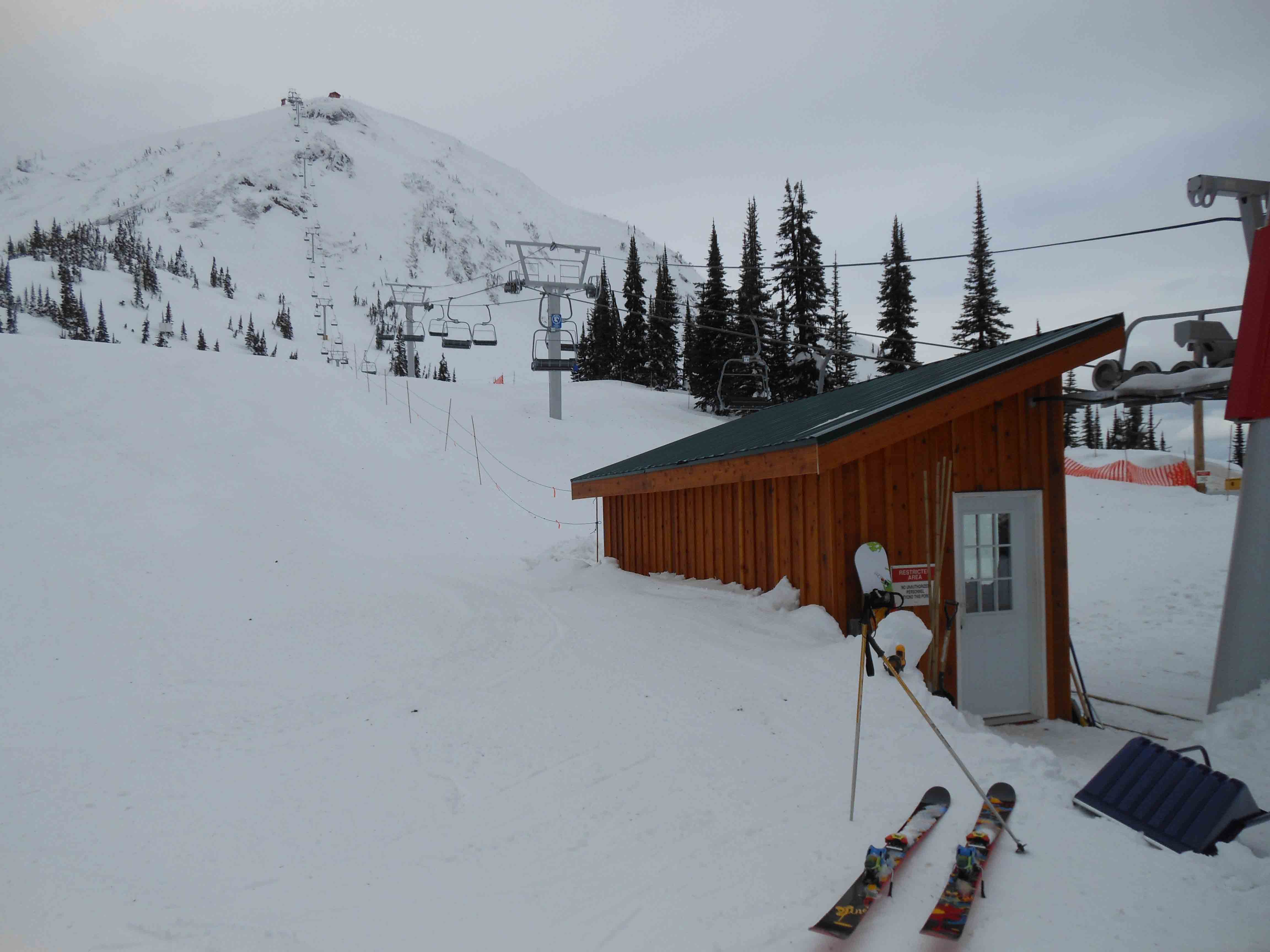
The new Polar Peak chair takes skiers over rime-encrusted outcrops to the top of Polar Peak, elevation 7,000 metres, where 22 new runs await.

Polar Peak opened in mid-January, bestowing on Fernie the coveted title of “biggest vertical drop” in the Canadian Rockies. At 3,550 feet, that’s more vert than Lake Louise or Sunshine. The chair also opened up 22 new highly-exposed, mostly expert, mostly double-black runs on a hill already famous for its steep expert terrain and huge powder dumps. Polar Peak is like the slippery icing on Fernie’s already perfect snow cake.

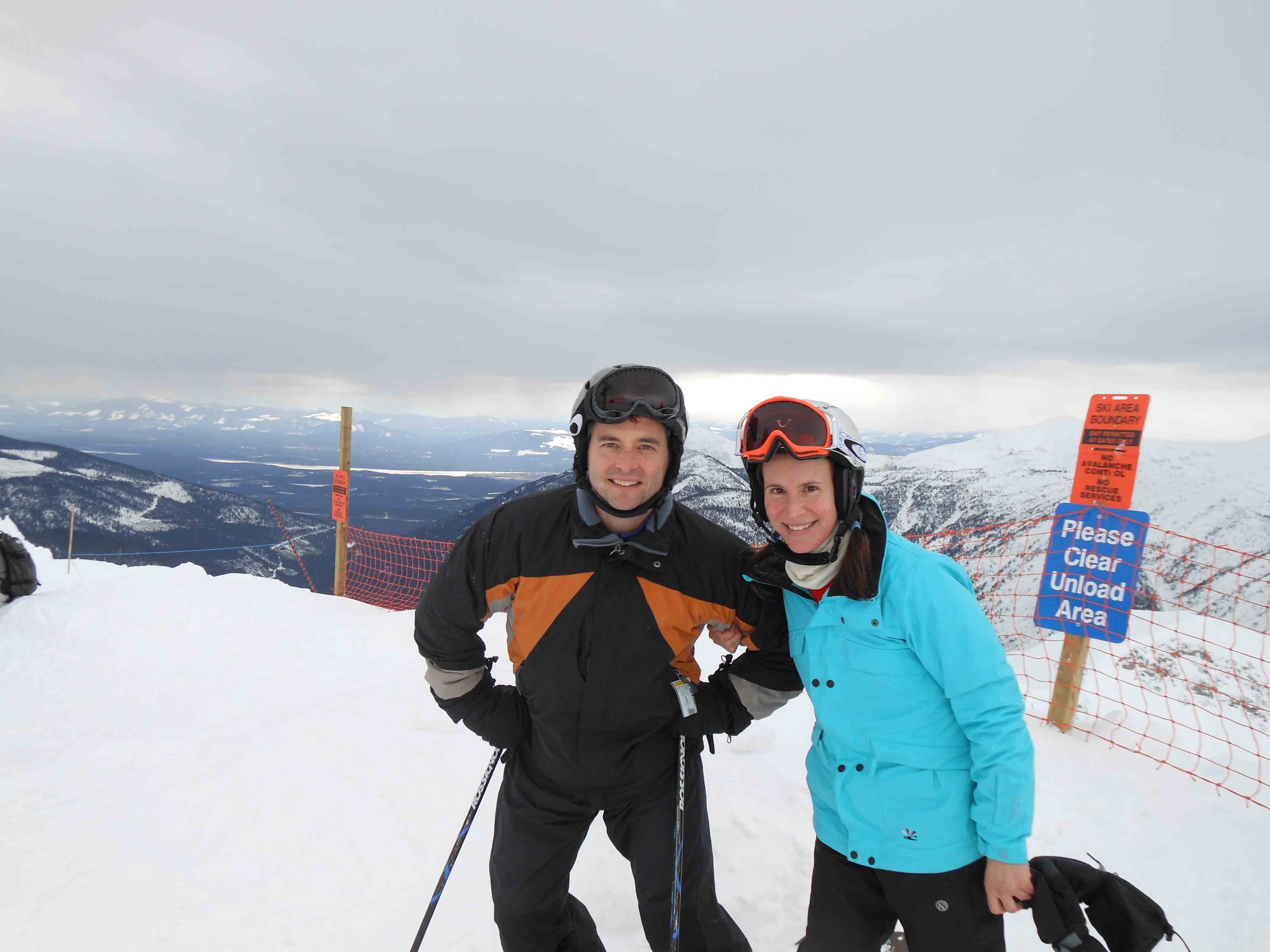
The views from the top are stellar too. From the tiny plateau where skiers exit the lift we could see the town of Fernie, all the way down the spine of the Lizard Range, and into the Columbia Valley. Sublime.

From the top you can see over into the Columbia Valley. That's Lake Koocanusa in the distance.

The only drawback? Polar Peak is often closed. It didn’t open until 2:30 p.m. on Saturday because of high winds, and then it was only loading at half capacity. As the patroller at the top put it: “We don’t want skiers’ chairlifts to get blown into a tower.”  The top is also regularly shrouded in powder-producing clouds, which means low visibility. Theoretically, inexperienced or disoriented skiers could make a wrong turn and fall off a cliff (hence the sign), though I really doubt that would ever happen given the roving patroller on duty.

On our second run we hopped over to Spirit Bear, a narrower chute that met my skis with more wind-hardened snow.

Don't look down! The Polar Peak chutes are vertigo-inducing steep.

Thankfully, I didn’t wipe out and slide 500 feet to the bottom (as predicted if you catch an edge), but I was happy to have my peak experience and then hit Currie Powder, where the glades pampered my bruised skis with perfect, packed-powder conditions. Sure, I’ll ski the peak again, but I’ll always return to my favourite Fernie runs.